

To pass time between now and when my Model S will be delivered some time in the spring, I'm going to redecorate my garage, top to bottom. Before I start on much, I wanted to know if there's anything I can do to get ready for the electrics that my Model S will need.
Needless to say, by breaker box is on the right-hand side of the garage, so I'll need the charger plugged in on the other side (there's another double garage at 90 degrees to mine, so by moving the charger to the left-side, it opens up options for charging a car in the other garage when that time comes).
Although I plan on having an electrician make all the connections, they're not usually the best at doing a tidy job (and I'm kinda particular ), so I'd rather pre-cable as much as I can, so that all they need to do is to connect at the breaker box.
I assume at one end I should provision for a NEMA 14-50 outlet (I'm not planning on the HPWC), but I'm not sure on the following:
- What cable should I run?
- Will my breaker box take the additional load?
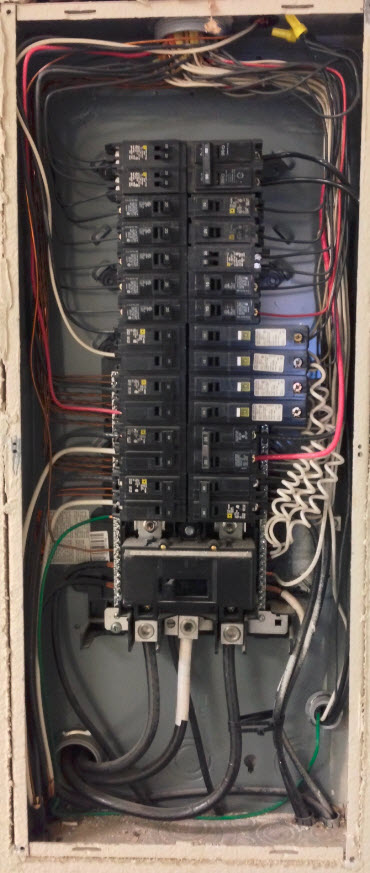
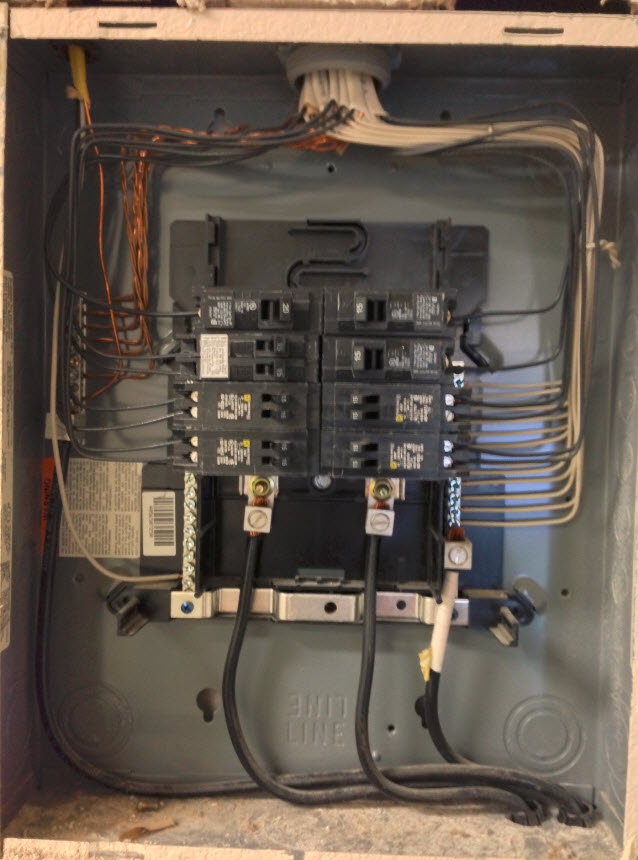
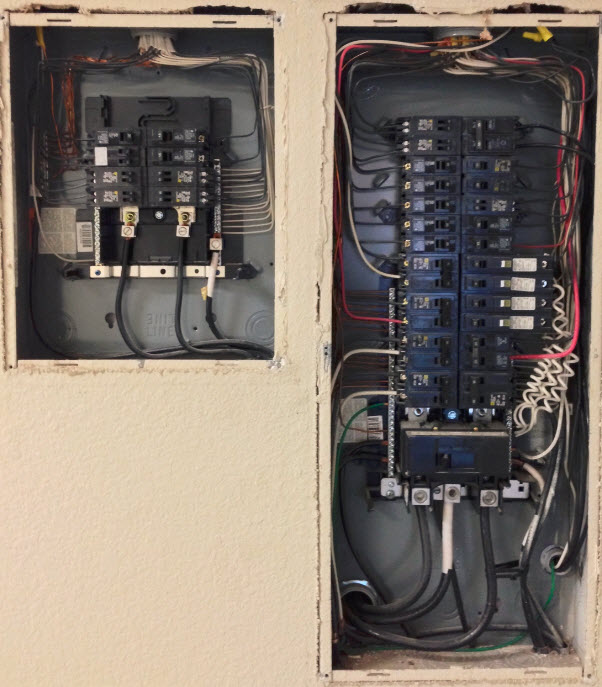
I ask the second question as when I had a pool installed, they had to add an additional breaker box outside for some of the house stuff, and use the main breaker box for the pool. You can see that (50 amp)breaker in the top right of the main (taller) box below. Essentially I can get some extra length on the cable to give the electrician some options, but the cable is expensive, so I don't want to over-buy. The house is relatively new, so I assume there's enough power coming from the street.
I've added some pictures below to help paint the picture, any advice is welcome - thanks.
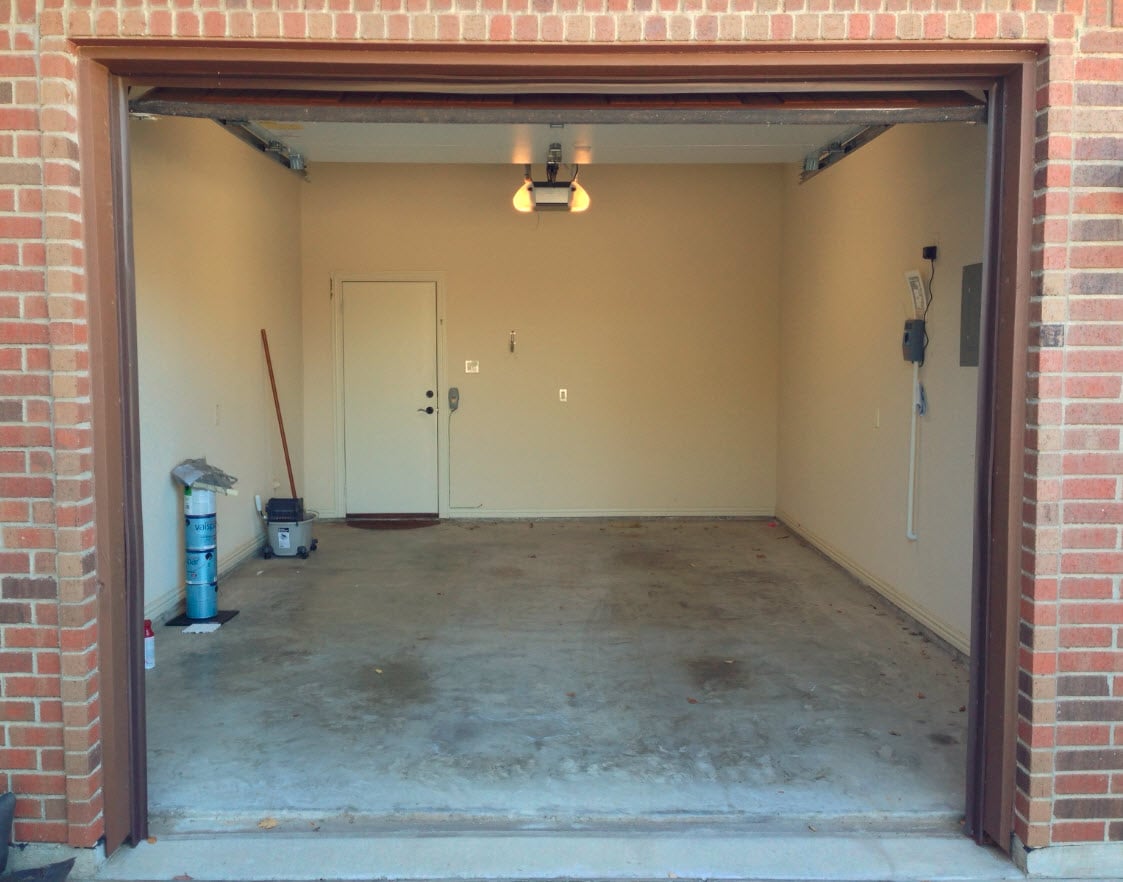
Needless to say, by breaker box is on the right-hand side of the garage, so I'll need the charger plugged in on the other side (there's another double garage at 90 degrees to mine, so by moving the charger to the left-side, it opens up options for charging a car in the other garage when that time comes).
Although I plan on having an electrician make all the connections, they're not usually the best at doing a tidy job (and I'm kinda particular
), so I'd rather pre-cable as much as I can, so that all they need to do is to connect at the breaker box.I assume at one end I should provision for a NEMA 14-50 outlet (I'm not planning on the HPWC), but I'm not sure on the following:
- What cable should I run?
- Will my breaker box take the additional load?
I ask the second question as when I had a pool installed, they had to add an additional breaker box outside for some of the house stuff, and use the main breaker box for the pool. You can see that (50 amp)breaker in the top right of the main (taller) box below. Essentially I can get some extra length on the cable to give the electrician some options, but the cable is expensive, so I don't want to over-buy. The house is relatively new, so I assume there's enough power coming from the street.
I've added some pictures below to help paint the picture, any advice is welcome - thanks.
Last edited: